




The Search Box Is Evolving
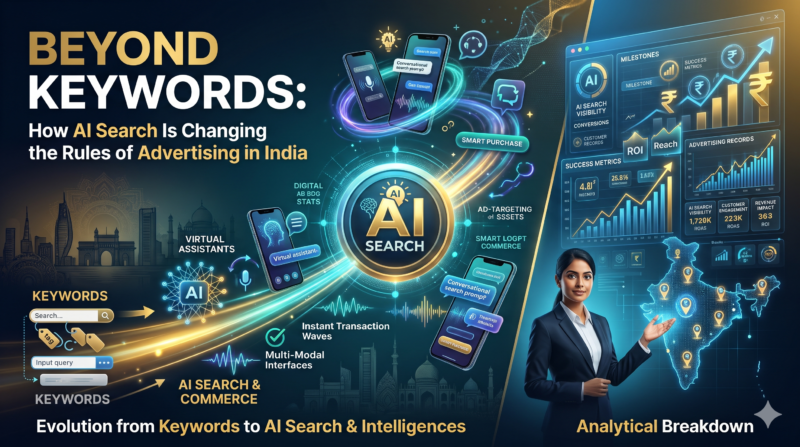
For years, digital advertising followed a familiar formula: identify the right keywords, bid for visibility, attract clicks, and convert visitors into customers. Artificial intelligence is beginning to reshape that journey.
Consumers are increasingly using AI-powered search experiences to explore products, compare options, and ask detailed questions before making decisions. For advertisers, this means visibility may depend on more than simply ranking for a popular keyword. Brands must also provide useful information, relevant answers, and compelling reasons for customers to choose them.
Google’s 2026 marketing announcements highlight this transition, with new AI-powered advertising experiences and tools designed to connect businesses with consumers across Search and YouTube.
Official source: Google Marketing Live 2026
From Keywords to Customer Intent
Traditional search campaigns often focus on specific phrases that people type into search engines. AI-assisted search can interpret more complex questions and help users investigate several aspects of a purchase.
Consider someone searching for a laptop. Instead of entering only “best laptop under ₹60,000,” a consumer might ask which laptop is suitable for video editing, has long battery life, and offers reliable after-sales service.
This changes how brands should approach advertising and content. Businesses need to understand the problems customers are trying to solve, not just the words they use.
Advertisers can respond by creating clear product pages, detailed comparisons, helpful FAQs, transparent pricing, and landing pages that directly address customer needs.
AI Is Becoming Part of Campaign Management
Artificial intelligence is also changing how advertising campaigns are planned and optimised. Google has introduced tools designed to help advertisers expand search reach, develop creative assets, and use campaign data more effectively.
These developments can reduce repetitive work and help marketers explore new opportunities. However, automation does not eliminate the need for strategic thinking.
Marketing teams still need to define campaign objectives, identify valuable customers, set budgets, establish brand guidelines, and evaluate whether automated decisions support business goals.
The strongest approach is to combine machine-led optimisation with human judgement, particularly when brand reputation, customer trust, and sensitive messaging are involved.
Content Quality Matters More Than Ever
As search experiences become more conversational, businesses need content that answers genuine customer questions.
A brand selling skincare products, for example, should explain how its products are used, disclose relevant ingredients, provide accurate product information, and avoid unsupported promises. A financial services company should make fees, eligibility requirements, and limitations easy to understand.
This approach benefits both consumers and marketing teams. Useful information can help customers make confident decisions while giving advertising campaigns more relevant destinations.
Companies should also keep their websites technically accessible, ensure important product details are accurate, and maintain consistency between advertising claims and landing-page content.
Measurement Must Go Beyond Clicks
A campaign that generates traffic is not necessarily a profitable campaign. As AI changes how people discover and evaluate products, advertisers need to examine a broader set of outcomes.
Depending on their objectives, businesses can track qualified leads, completed purchases, customer acquisition costs, conversion rates, repeat purchases, and incremental sales.
Incrementality is particularly important. It helps marketers investigate whether advertising generated additional business or simply reached customers who might have purchased anyway.
Google has also highlighted improvements in measurement and first-party data tools, reflecting the importance of connecting campaign activity with meaningful business results.
Official source: Google’s AI Measurement Tools
What Indian Brands Should Do Next
Businesses do not need to overhaul every campaign immediately. A practical starting point is to review their existing advertising strategy and identify opportunities to improve.
First, audit landing pages for outdated information, unclear offers, and weak calls to action. Second, organise content around the questions customers ask before purchasing. Third, test AI-powered campaign features against clearly defined objectives rather than adopting automation simply because it is available.
Finally, establish a regular measurement process. Compare results across campaigns, review lead quality, and assess the contribution of advertising to sales and long-term customer value.
Smaller businesses can begin with a focused experiment, while larger advertisers can develop structured testing programmes across multiple channels.
The Competitive Advantage Will Be Trust
AI is changing how consumers search and how advertisers reach them, but the fundamentals of effective marketing remain relevant. Customers still need credible information, useful products, transparent offers, and a reason to trust a brand.
The next phase of digital advertising in India will reward businesses that combine intelligent technology with strong creative ideas, accurate information, and disciplined measurement.
The real opportunity is not simply to appear in more searches. It is to become a more useful and convincing choice when customers are ready to make a decision.