




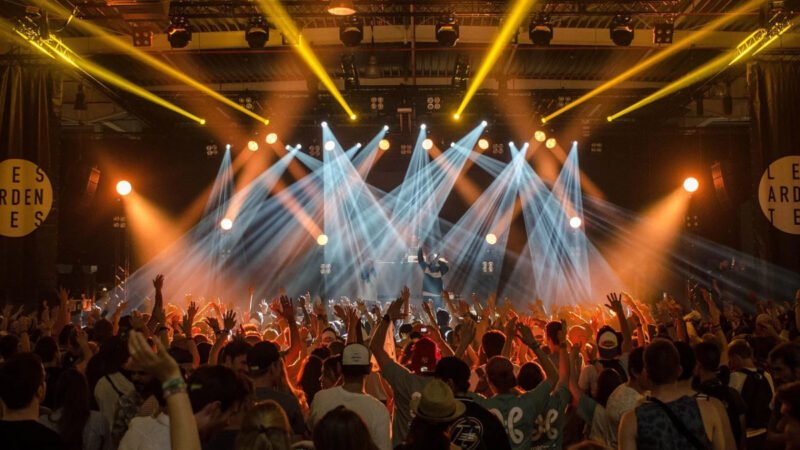
India’s advertising industry is preparing for a stronger focus on live experiences, sports sponsorships and creator-led campaigns, as brands look for ways to build deeper relationships with consumers. According to Nielsen’s 2026 Annual Marketing Report, 94% of Indian marketers expect to increase spending on sponsorships and event media over the next 12 to 24 months.
The finding places India ahead of the other markets surveyed, including the United States and Italy. The report also highlights growing confidence in influencer marketing, with 81% of Indian marketers rating creator and influencer content as very or extremely effective.
However, beneath this optimism lies an important challenge: marketers are investing more in these channels, but their ability to measure returns across different media platforms remains limited.
India Leads the Event Spending Race
The report, titled Top 10 Signals Shaping Marketing Budgets in 2026, draws on responses from 1,200 marketers across six markets: India, the United States, the United Kingdom, Italy, France and Germany.
India recorded the highest intention to increase sponsorship and event media investments.
The comparison highlights the difference:
- India: 94% of marketers expect higher spending.
- United States: 75%.
- Italy: 67%.
This strong spending intention suggests that Indian brands increasingly view live events as an important part of their marketing strategies rather than an occasional promotional activity.
Sports competitions, music festivals, entertainment properties and cultural celebrations provide opportunities to connect with consumers through shared experiences. They also give brands opportunities to extend physical activations into digital campaigns.
Sports Sponsorship Becomes a Market-Expansion Tool
Sports sponsorship is increasingly being viewed as more than a way to display logos or secure brand visibility.
According to Nielsen, 61% of Indian marketers see sports sponsorships as a testing ground for reaching new audiences and markets. The corresponding figures are 54% in the United States and 32% in Germany.
This suggests that brands are exploring sports partnerships to connect with consumer groups they may not reach through conventional advertising alone.
For example, a brand entering a new regional market could use a sporting property to build familiarity, engage local communities and create opportunities for on-ground interaction.
The growing popularity of different sporting formats also gives advertisers more choices when selecting partnerships. Instead of relying exclusively on the largest sporting events, brands can explore properties that connect with specific audiences and interests.
Creator Marketing Gains Stronger Confidence
Influencer and creator marketing is another major area highlighted by the report.
Around 81% of Indian marketers rate creator and influencer content as very or extremely effective. In the United States, the figure stands at 54%.
The 27-percentage-point difference is the widest gap between the two markets across the channels measured in this part of the study.
This confidence reflects the growing role of creators in modern brand communication. Their ability to develop content around specific interests, communities and everyday experiences gives advertisers additional ways to reach audiences.
Creators are also increasingly involved in product demonstrations, campaign storytelling, event coverage and brand collaborations.
However, effectiveness ratings should not be confused with independently verified sales impact. Brands still need to evaluate audience relevance, engagement quality, brand suitability and commercial outcomes when selecting creator partnerships.
The Biggest Weakness: Measuring Marketing Returns
Despite strong investment intentions, the report identifies a significant measurement gap in India.
Only 42% of Indian marketers say they measure return on investment (ROI) holistically across traditional and digital media.
The comparison is:
- India: 42%.
- United States: 48%.
- Italy: 53%.
This creates a challenge for marketers planning larger investments across events, sponsorships, creators, television and digital platforms.
When every channel is evaluated using different measurement systems, it becomes difficult to understand how the overall campaign contributes to business performance.
For instance, a sponsorship may generate strong visibility, while creator content drives engagement and digital advertising produces website traffic. Without a unified measurement approach, marketers may struggle to determine how these activities work together.
AI Is Entering the Measurement Conversation
The Nielsen report also examines the growing role of artificial intelligence in marketing operations.
Among US marketers, 75% use AI for measurement and analytics, making it the most common application highlighted in that market. However, only 34% fully trust AI recommendations and act on them independently.
The findings underline an important distinction: AI can help marketers process information and support decisions, but human oversight remains relevant.
For brands managing increasingly complex campaigns, technology could help connect audience insights, media performance and investment decisions more effectively.
What This Means for Indian Advertisers
The findings point towards a changing marketing mix in India. Brands are showing greater interest in live experiences, sports partnerships and creator-led communication, while traditional media and digital platforms continue to play important roles.
The opportunity is to build integrated campaigns rather than treating every channel as an independent activity.
A sporting event can generate live engagement, creators can extend the experience through social platforms, and digital campaigns can help brands reach audiences before and after the event.
But this approach requires better planning, consistent measurement and clearly defined business objectives.
Bigger Budgets Need Better Measurement
Nielsen’s findings suggest that Indian marketers are confident about the future of experiential and creator-led advertising. The next challenge is proving the value of these investments.
As sponsorships, events and creator partnerships receive larger budgets, advertisers will need stronger methods to measure reach, engagement, brand impact and commercial outcomes across channels.
The bigger takeaway: India’s marketing industry is moving towards experience-led advertising, but spending growth alone will not define success. The brands that combine memorable experiences with reliable measurement will be better positioned to turn consumer attention into long-term business value.
Report: Nielsen’s Top 10 Signals Shaping Marketing Budgets in 2026, part of its 2026 Annual Marketing Report.