
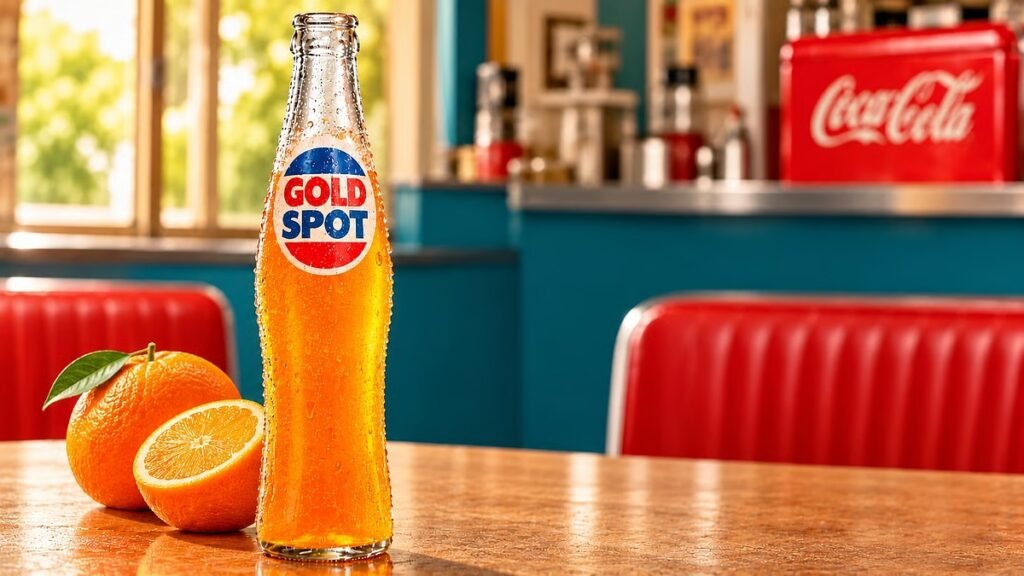
With a low-sugar formulation, a new can format and a quick-commerce-first launch, Coca-Cola India is testing whether an iconic beverage can win over both nostalgic consumers and a generation discovering it for the first time.
Coca-Cola India is bringing back Gold Spot, the iconic orange-flavoured beverage remembered by generations of Indian consumers as “The Zing Thing”, after a 26-year absence.
Announced on November 25, 2026, the relaunch introduces Gold Spot in a contemporary can format, retaining its familiar tangy orange flavour while positioning it as a low-sugar beverage.
But the interesting part of the comeback is not just the return of an old brand. Coca-Cola is choosing a quick-commerce-first distribution strategy, making the product available through platforms including Blinkit, Swiggy Instamart, Zepto, Flipkart Minutes and Amazon Now.
The move offers an interesting case study in how established consumer brands can use nostalgia, product repositioning and digital distribution to create renewed interest.
A Brand With a Long Advertising Legacy
Introduced in India in 1952, Gold Spot became a familiar name in the country’s soft-drink market. Its youthful identity was strengthened during the 1980s through the memorable positioning “The Zing Thing”.
The brand’s advertising helped establish an energetic personality that extended beyond the beverage itself.
Gold Spot became part of Coca-Cola’s portfolio in 1993, following the company’s acquisition of Parle’s beverage business. It was eventually discontinued in 2000 as Coca-Cola prioritised Fanta in the orange-flavoured soft-drink category.
Its return therefore brings back more than a product. It revives an advertising identity that continues to hold recognition among older consumers.
Nostalgia Meets a New Generation
Coca-Cola is attempting to connect two very different consumer groups.
For older consumers, Gold Spot carries memories of school breaks, family gatherings and childhood occasions. For younger consumers, however, the brand is effectively a new product entering an already competitive beverage market.
This creates a challenge for the marketing strategy.
Nostalgia can generate initial attention, conversations and social sharing, but it cannot automatically establish long-term relevance among consumers who have never experienced the original product.
The brand will need to communicate what makes Gold Spot distinctive today, rather than relying entirely on memories of its earlier popularity.
Why Quick Commerce Is Central to the Relaunch
Instead of beginning with a conventional nationwide retail push, Coca-Cola is using quick-commerce platforms as the initial distribution channel.
This approach connects product discovery with immediate purchasing opportunities. Consumers encountering the brand through social media conversations or recommendations can potentially order it through familiar digital platforms.
Quick commerce also provides brands with an opportunity to test consumer interest in specific markets and understand early demand patterns.
For Gold Spot, the strategy creates a relatively direct route between renewed awareness and trial.
However, the long-term opportunity will depend on whether the brand can expand beyond initial online curiosity and establish consistent demand across broader retail channels.
A Lower-Sugar Proposition
The relaunched beverage also reflects changing consumer expectations around sugar consumption.
According to ETBrandEquity’s report, the new formulation contains 2 grams of total sugar per 100 ml, with non-sugar sweeteners also included.
The 330 ml can therefore contains approximately 6.6 grams of sugar.
This gives Gold Spot a different product proposition from its earlier version, while retaining the flavour and brand identity associated with its legacy.
For Coca-Cola, the challenge will be balancing the familiar taste consumers expect with the changing preferences shaping the beverage category.
The Competition Has Changed
The market Gold Spot is returning to is very different from the one it left.
Established players now face competition from Reliance Consumer Products’ Campa, regional beverage brands such as Lahori Zeera and newer products targeting changing consumer preferences.
Coca-Cola must also consider how Gold Spot will coexist with Fanta, which already occupies the company’s orange-drink segment.
The question is whether the revived brand can develop a distinct identity rather than simply divide consumer demand between two products with similar flavour positioning.
Can the Comeback Last Beyond the Buzz?
Gold Spot’s return gives Coca-Cola an opportunity to turn a familiar brand into a contemporary consumer proposition.
Its success will depend on several factors: product differentiation, pricing, wider availability, repeat purchases and the ability to create fresh cultural relevance among younger audiences.
The quick-commerce launch can generate initial discovery, while the low-sugar formulation provides a contemporary product angle. But neither guarantees long-term brand growth.
For marketers, the bigger lesson is that nostalgia works best when it is supported by a clear reason for consumers to choose a product today.
Gold Spot has brought back “The Zing Thing”. The next challenge is proving that the zing still has a place in India’s changing beverage market.
Sources
- afaqs! – Coca-Cola India brings back iconic Gold Spot
- ETRetail – Coca-Cola brings back Gold Spot after 26 years
- ETBrandEquity – Is Gold Spot’s comeback a new beginning or just nostalgia?
- MediaNews4U – Coca-Cola revives Gold Spot with a new can format and quick-commerce launch
- Exchange4Media – The Zing Thing that Rediffusion built